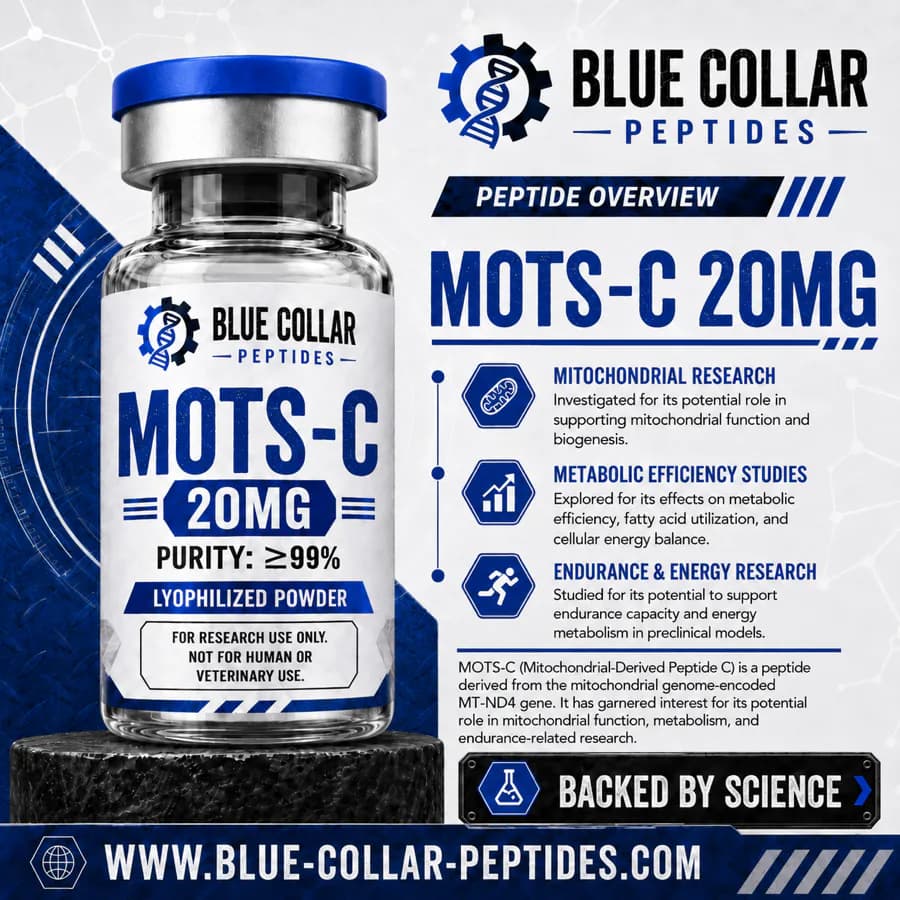
20 mg
MOTS-C 20 mg
MOTS-C is studied as a mitochondrial-derived peptide in cellular energy-metabolism, stress-response, and AMPK-pathway models.
Guides, calculators, COAs, FAQs, and comparisons tied to the products we actually sell. Read the citations. Open the paperwork.
Match a laboratory pathway to relevant research guides and catalog materials.
Launch tool →PREP / 02Calculate laboratory stock concentration and material per aliquot.
Launch tool →CONVERT / 03Convert grams, milligrams, and micrograms for preparation records.
Launch tool →PK / 04Navigate published pharmacokinetic references without dosing guidance.
Launch tool →STORAGE / 05Build a traceable, material-specific storage and handling workflow.
Launch tool →VERIFY / 06Search reports by product, task number, or reported batch.
Launch tool →FAQ / 07Search research, documentation, rewards, and catalog questions.
Launch tool →COMPARE / 08Review research themes, targets, and documentation side by side.
Launch tool →PURITY / 09Explore how a reported purity percentage relates mathematically to sample mass.
Launch tool →MASS / 10Estimate an unmodified peptide's average molecular weight from its sequence.
Launch tool →HPLC / 11Read chromatogram peaks, retention time, integration, and method limitations.
Launch tool →Choose a research theme. Results are educational catalog matches, not treatment or use recommendations.
MOTS-C is studied as a mitochondrial-derived peptide in cellular energy-metabolism, stress-response, and AMPK-pathway models.
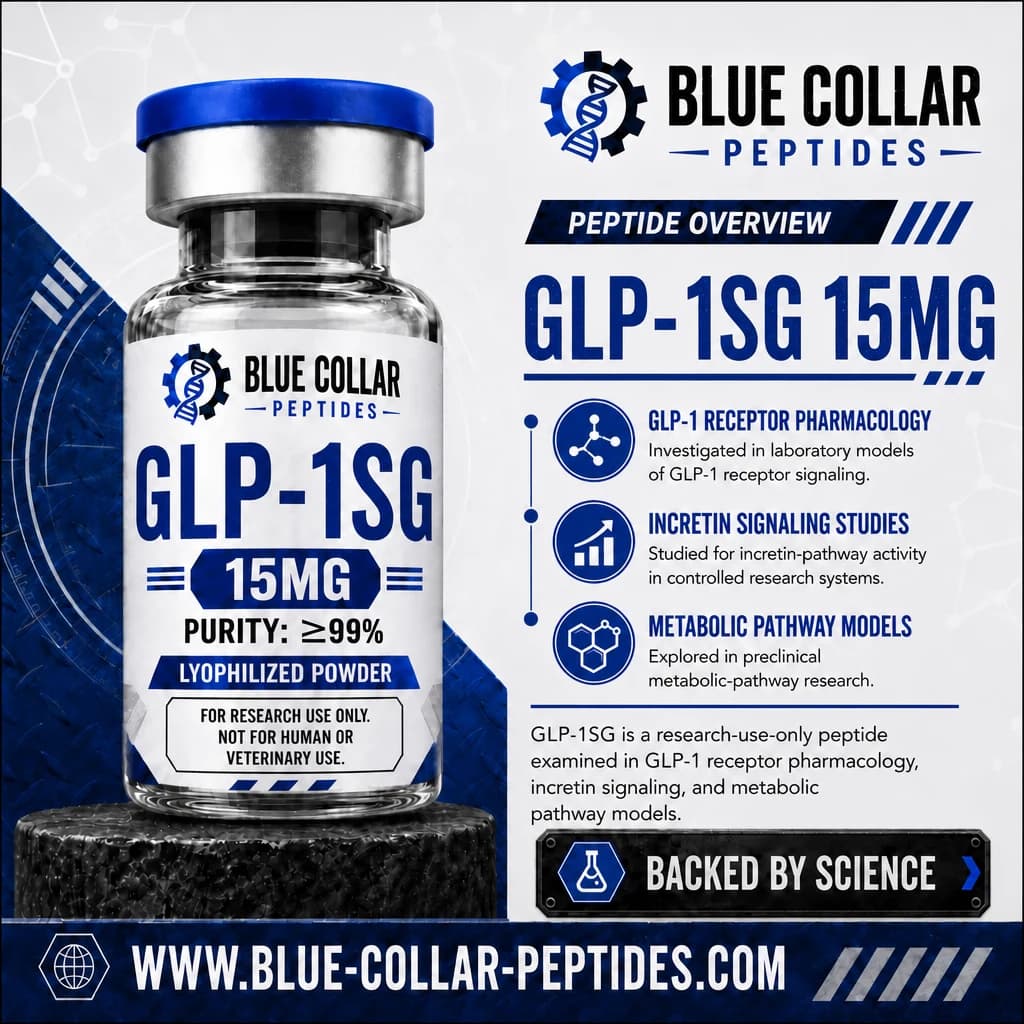
GLP-1SG is studied in laboratory models of GLP-1 receptor pharmacology, incretin signaling, and metabolic pathways.
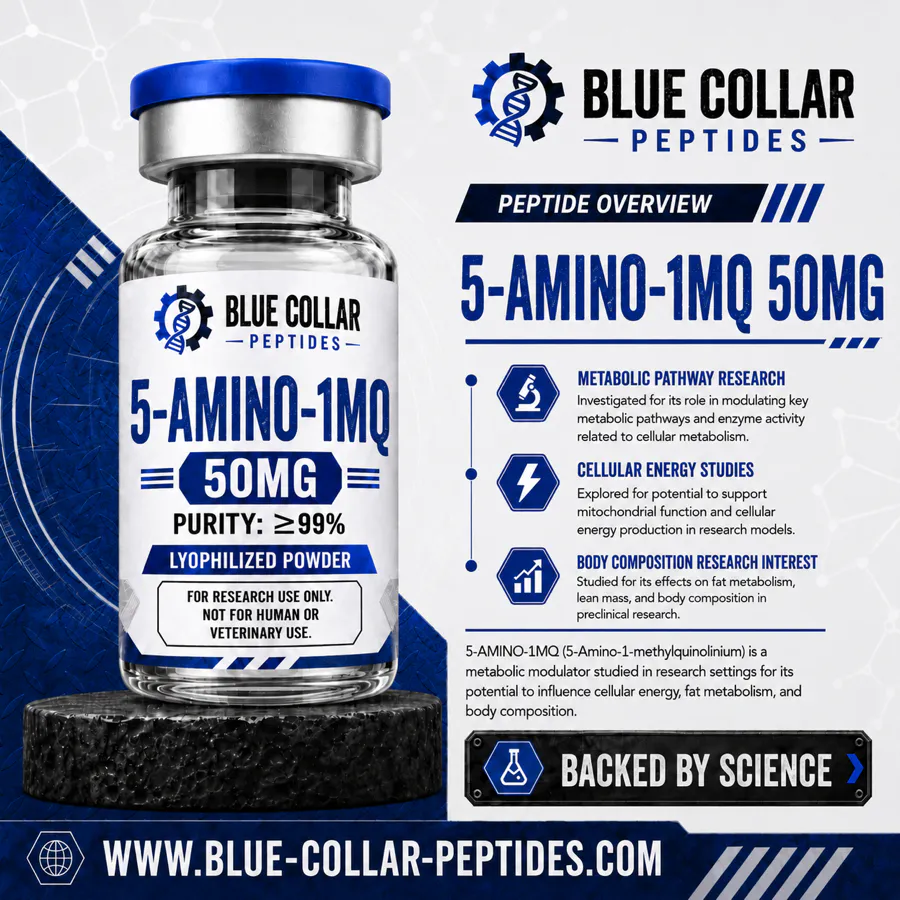
5-Amino-1MQ is studied in laboratory enzyme assays involving NNMT inhibition, methyl metabolism, and NAD+-associated metabolic pathways.
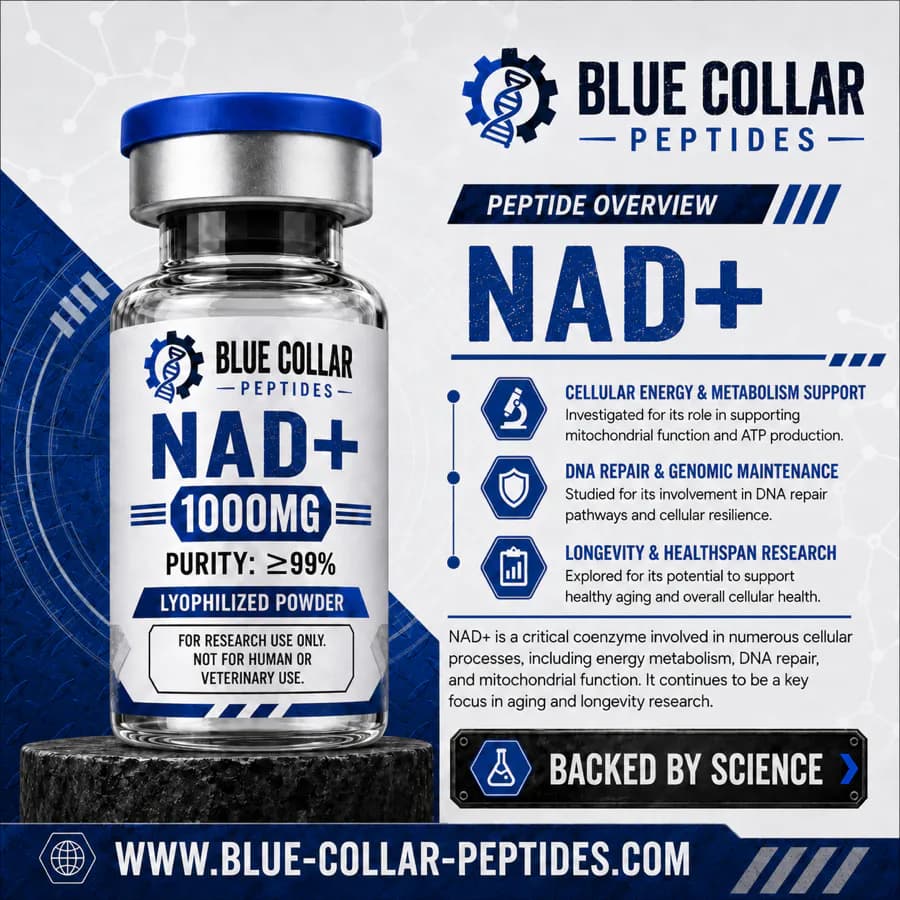
NAD+ is studied as a cellular redox cofactor in energy-metabolism research and in sirtuin- and PARP-associated enzyme systems.
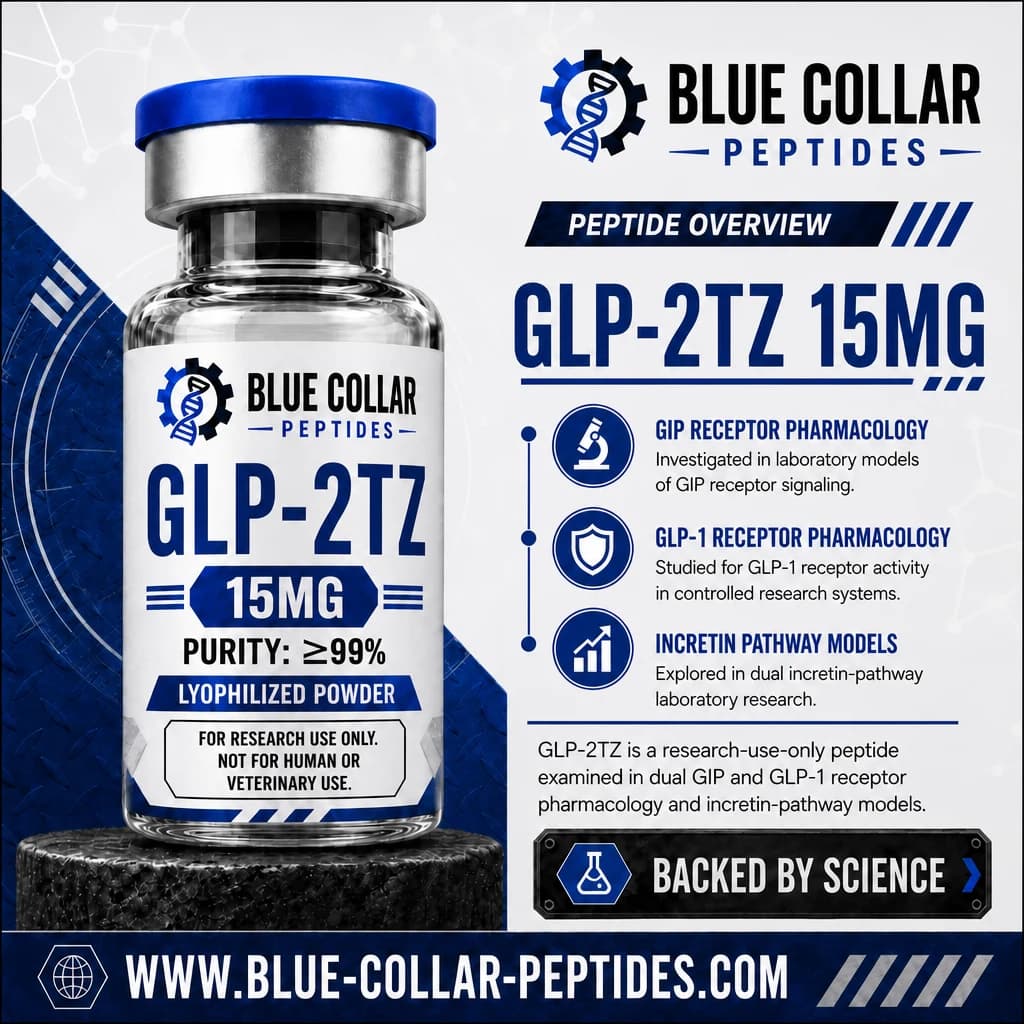
GLP-2TZ is studied in dual GIP and GLP-1 receptor pharmacology, incretin signaling, and metabolic pathway models.
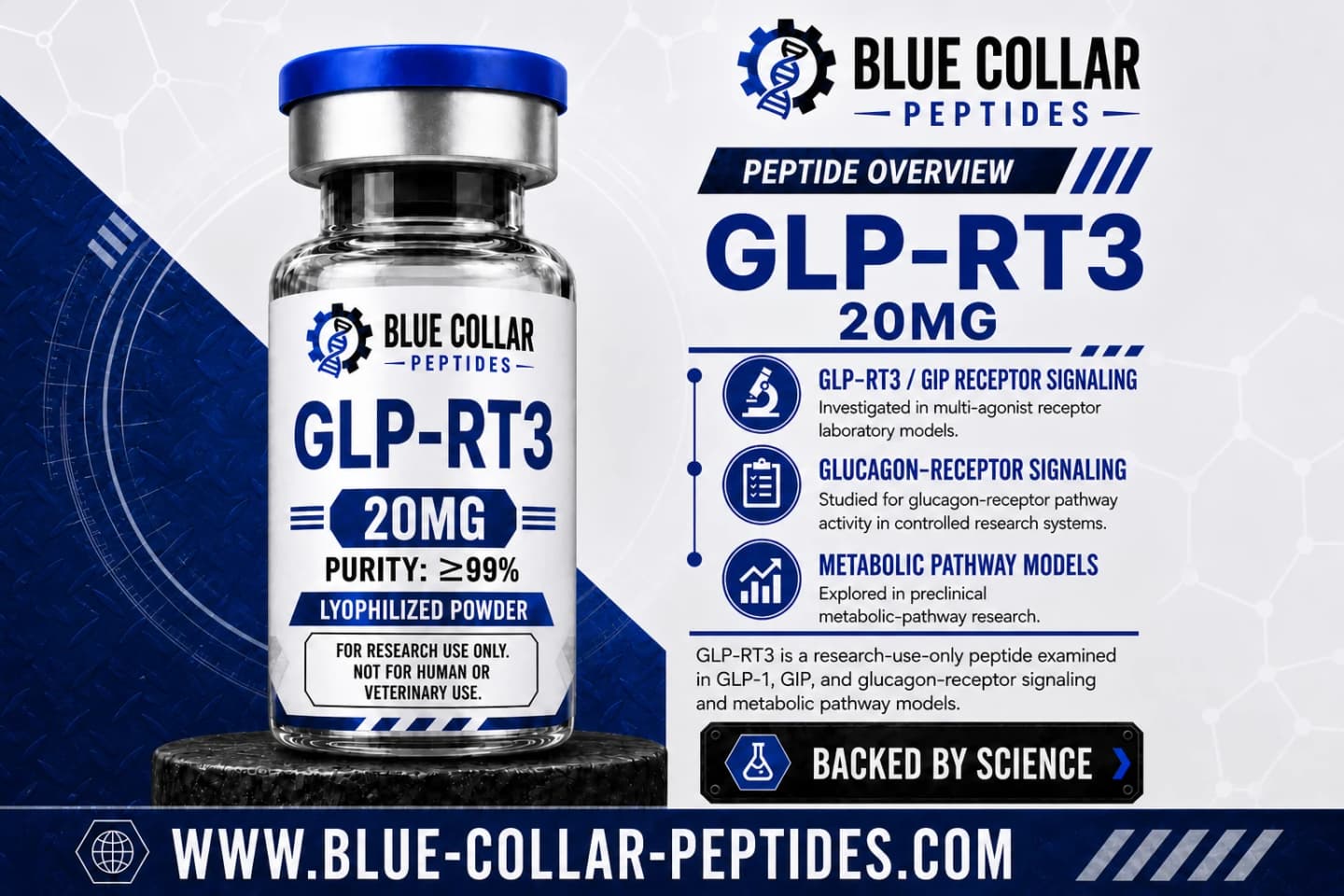
GLP-RT3 is studied in multi-agonist receptor models involving GLP-1, GIP, and glucagon-receptor signaling and metabolic pathways.
Move from a term or laboratory question to the connected visual guide, calculator, analytical record, product guide, or source.
Search standardized research, analytical, storage, and documentation terminology.
Open glossary →COAUnderstand identity, purity, content, methods, units, and report limitations.
Read guide →HPLCExplore peaks, retention time, integration, and method context visually.
Open visual guide →BATCHSearch analytical records by product, task number, or reported batch.
Search records →PURITYModel the mathematical relationship between reported purity and sample mass.
Open calculator →MWEstimate an unmodified peptide's average molecular weight from its sequence.
Open lookup →Each material has a long-form guide, focused research overview, searchable FAQ, product link, and current COA connection.
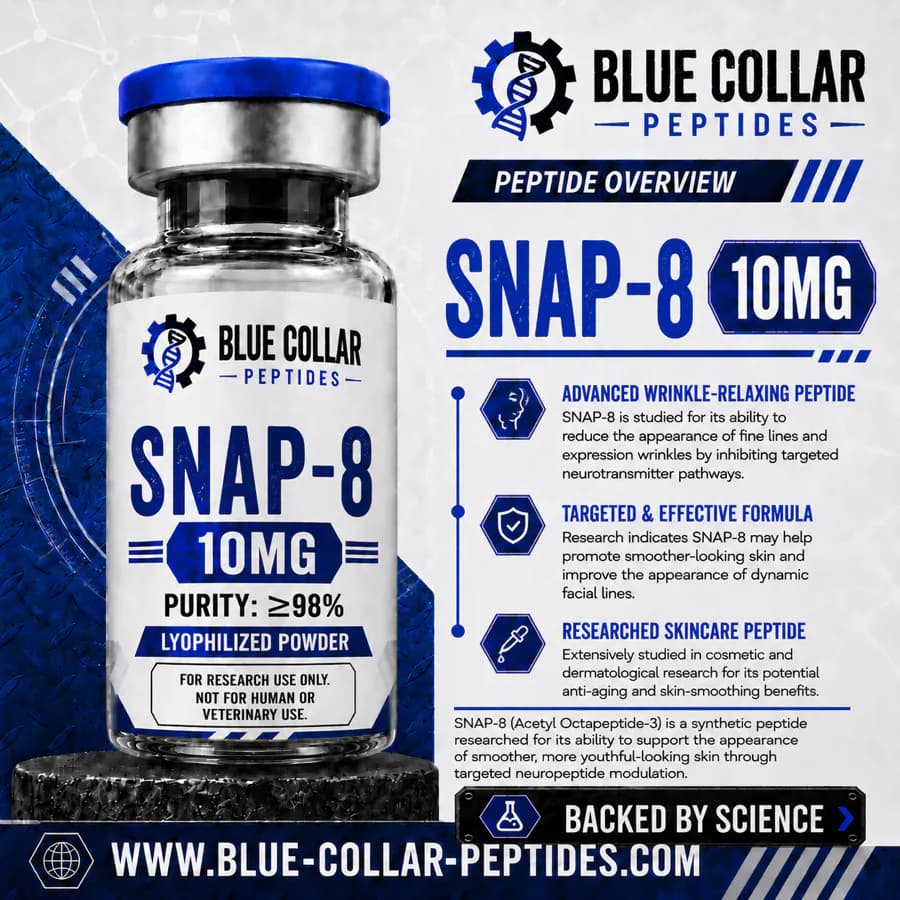 01 · 10 mg
SNAP-8 is studied in controlled laboratory models involving peptide-mediated SNARE-complex interactions and cosmetic-science signaling.
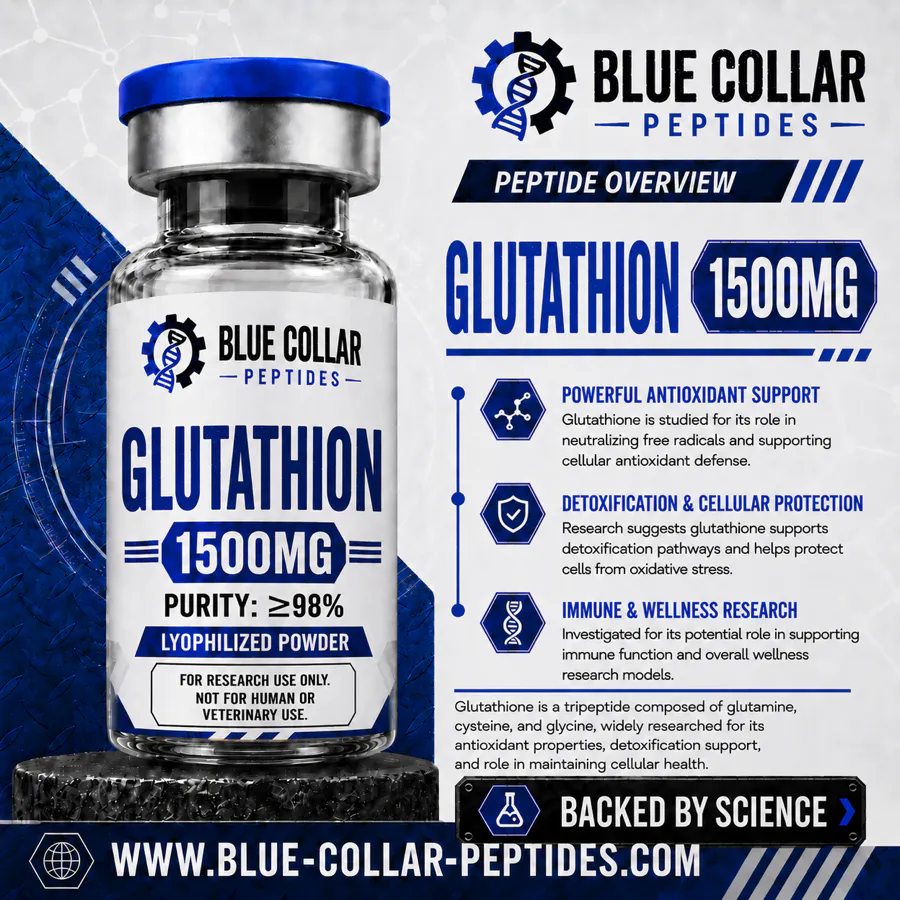 02 · 1,500 mg
Glutathione is widely examined as a cellular redox cofactor in oxidative-stress assays and glutathione-dependent enzyme systems.
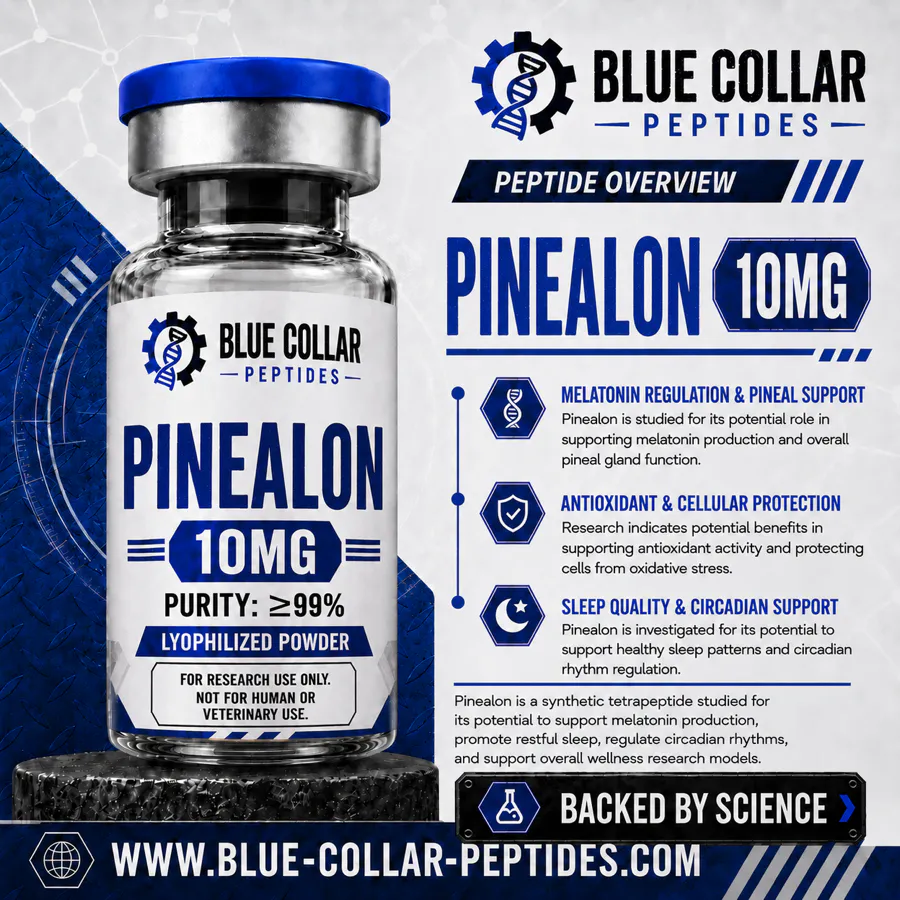 03 · 10 mg
Pinealon is investigated in preclinical short-peptide models involving neuronal-cell signaling, gene expression, and oxidative-stress pathways.
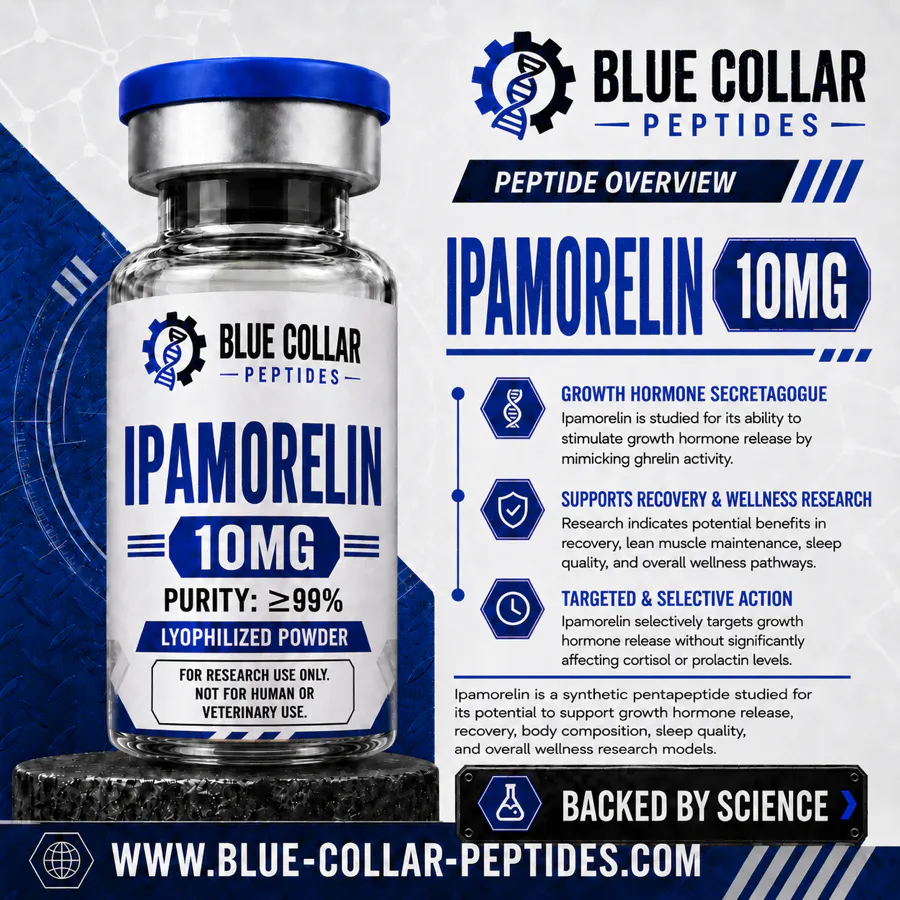 04 · 10 mg
Ipamorelin is studied in receptor-based models of growth-hormone secretagogue receptor signaling and ligand selectivity.
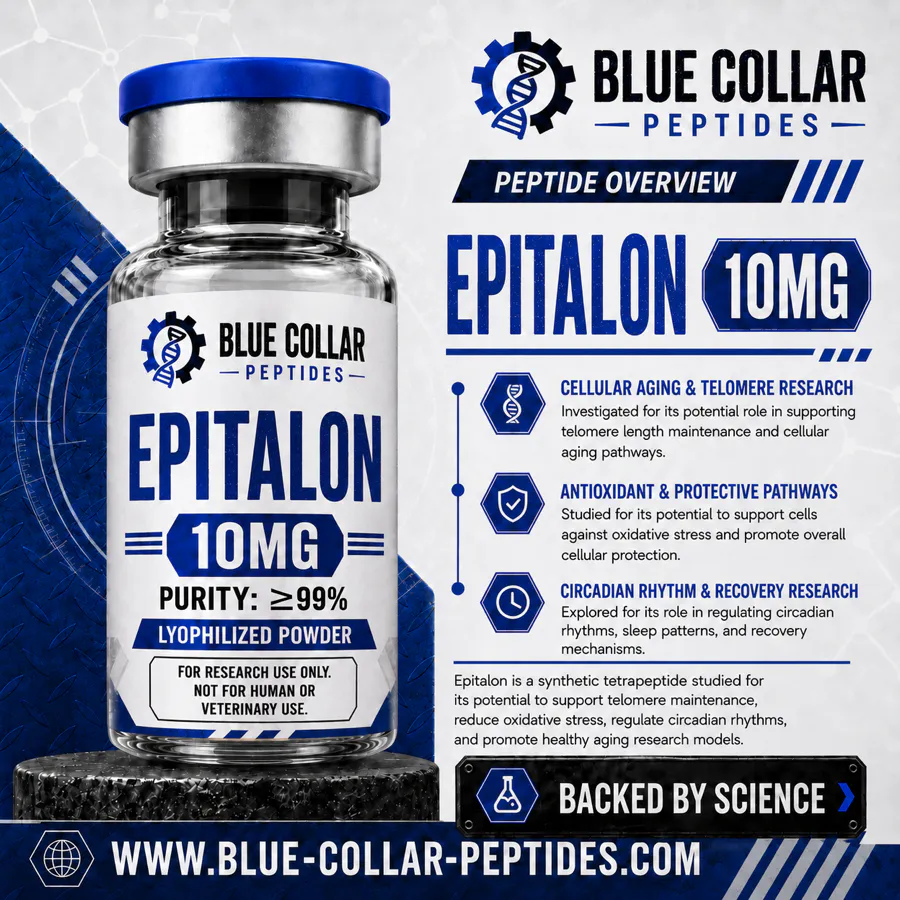 05 · 10 mg
Epitalon is examined in preclinical short-peptide models involving gene expression, telomere-associated pathways, and circadian signaling.
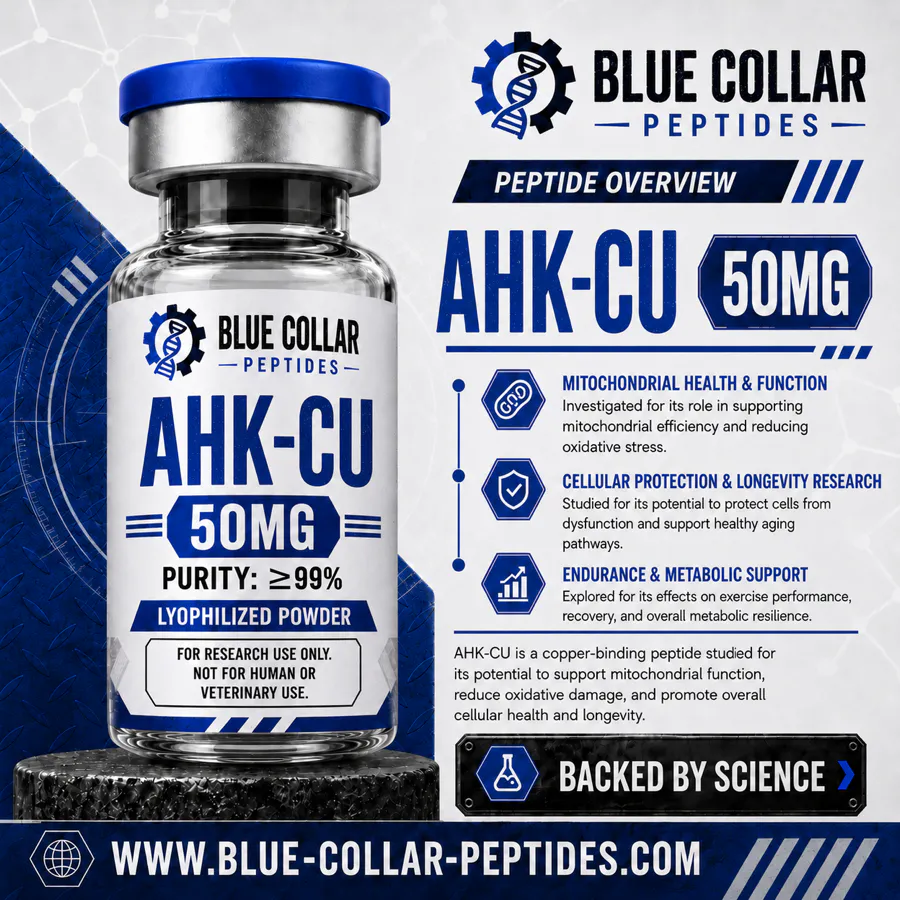 06 · 50 mg
AHK-Cu is studied in copper-peptide coordination models and laboratory assays involving fibroblast and extracellular-matrix signaling.
07 · 20 mgMOTS-C is studied as a mitochondrial-derived peptide in cellular energy-metabolism, stress-response, and AMPK-pathway models.
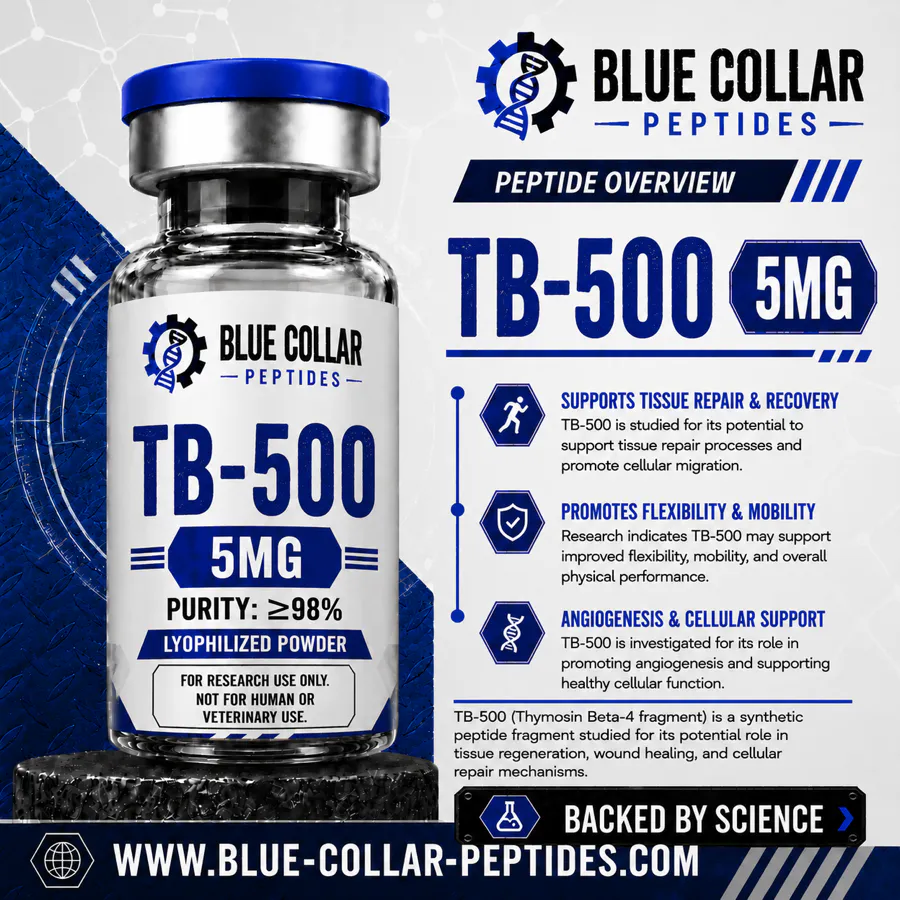 08 · 5 mg
TB-500 is examined in preclinical models involving thymosin-beta-4 pathways, actin organization, and cell-migration assays.
09 · 15 mgGLP-1SG is studied in laboratory models of GLP-1 receptor pharmacology, incretin signaling, and metabolic pathways.
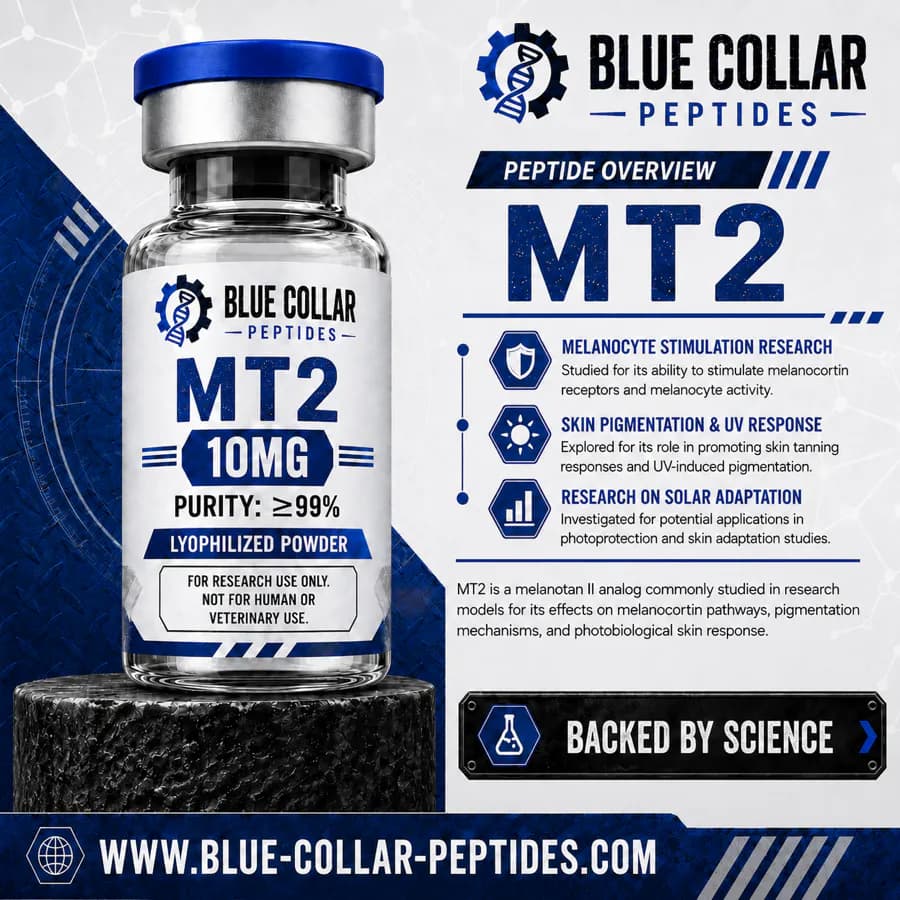 10 · 10 mg
MT2 is examined in melanocortin-receptor pharmacology, receptor-selectivity studies, and pigment-cell signaling models.
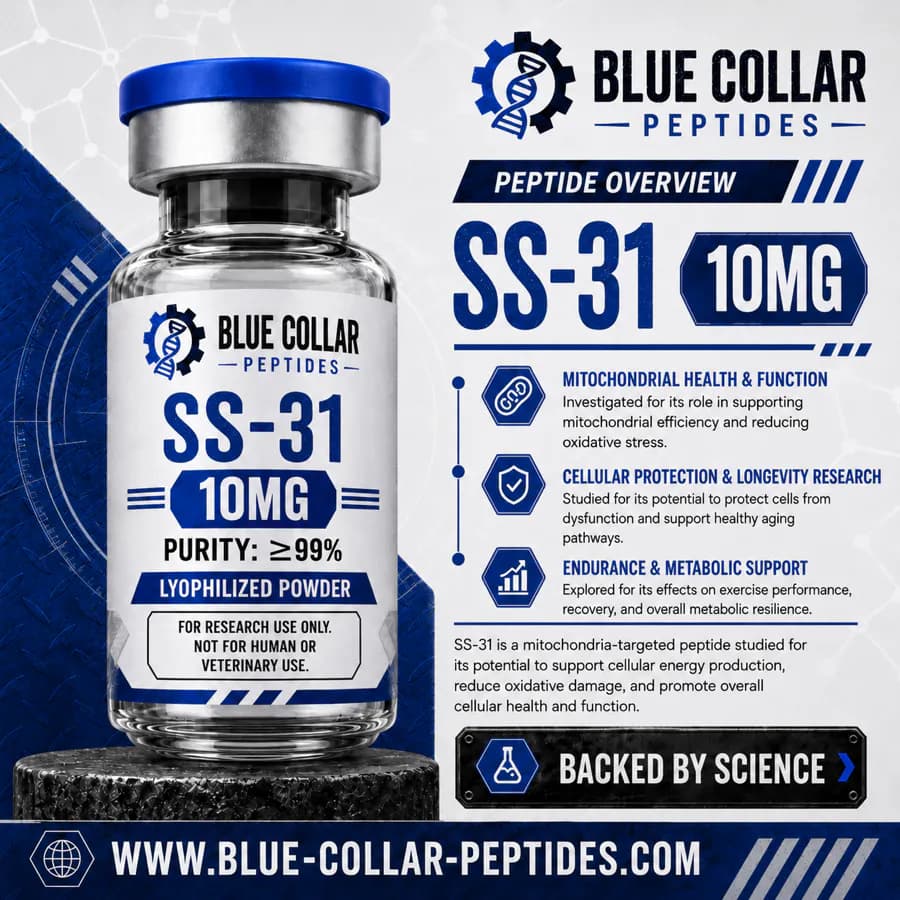 11 · 10 mg
SS-31 is studied in mitochondrial membrane and cardiolipin-associated models, including cellular oxidative-stress assays.
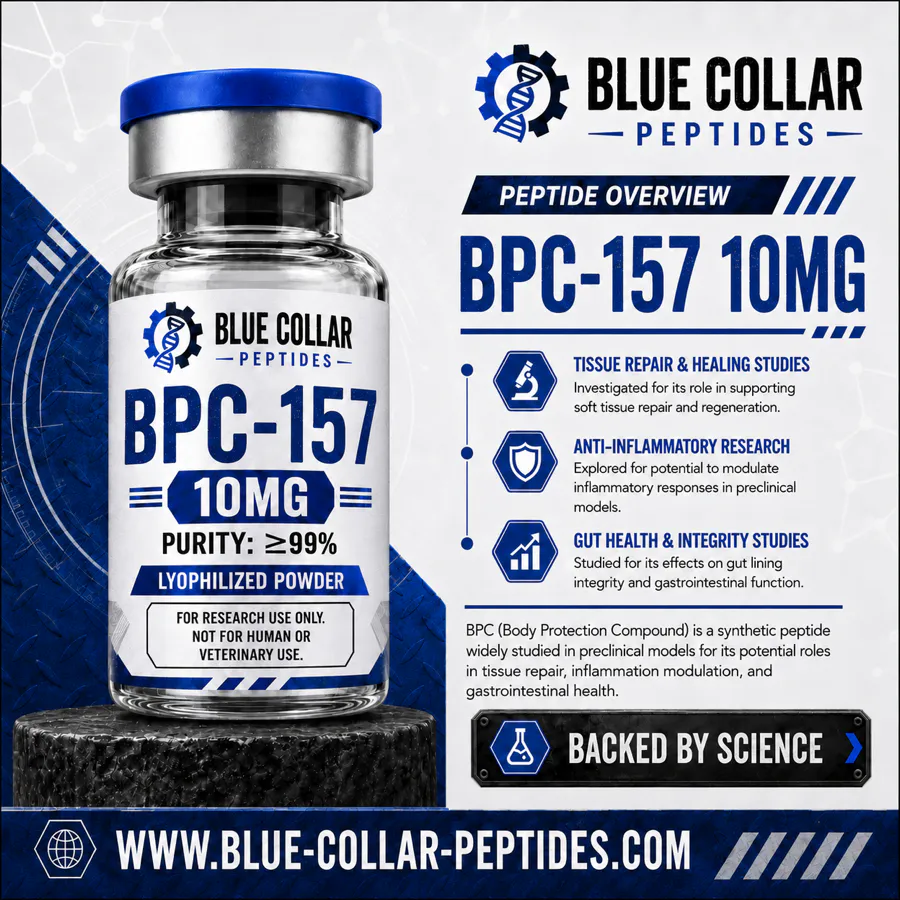 12 · 10 mg
BPC-157 is investigated in preclinical laboratory models involving cell migration, angiogenic signaling, and gastrointestinal tissue systems.
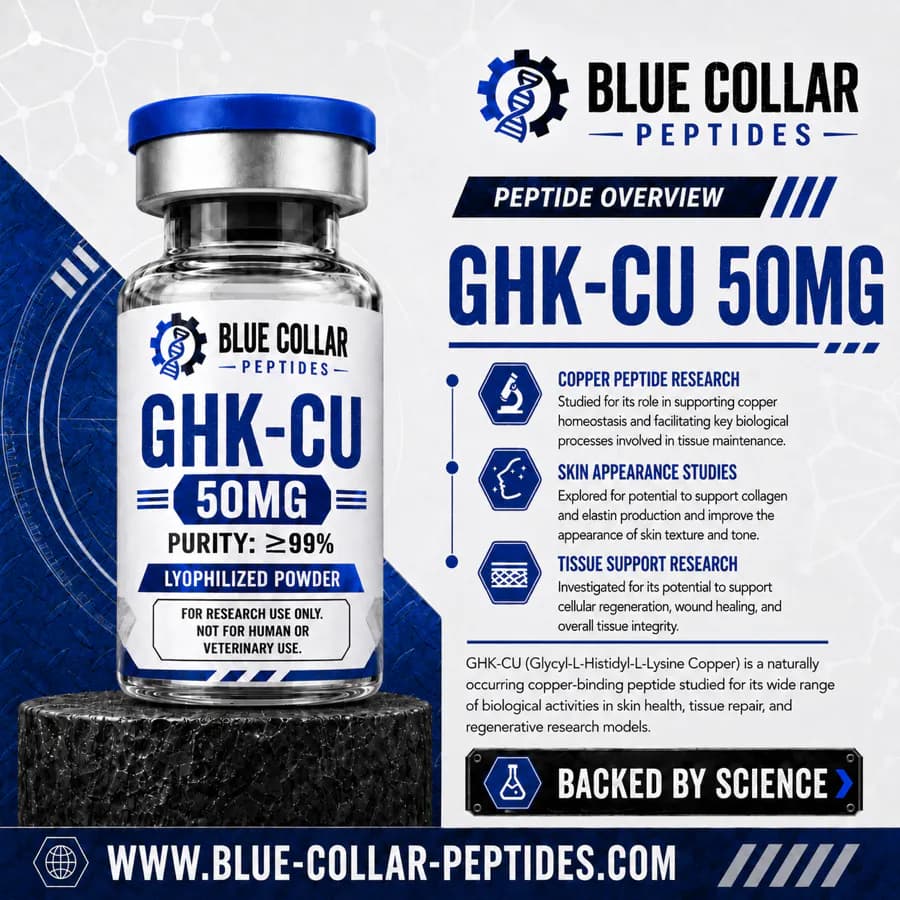 13 · 50 mg
GHK-Cu is studied in copper-peptide coordination and laboratory models involving fibroblast, gene-expression, and extracellular-matrix signaling.
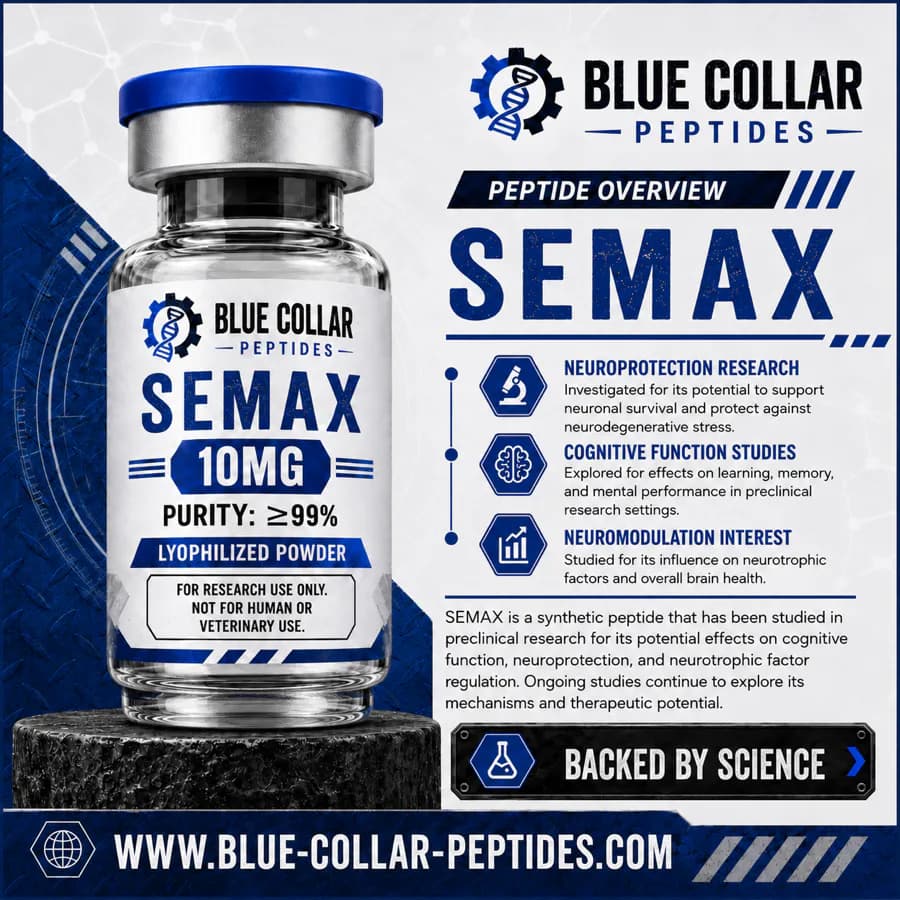 14 · 10 mg
Semax is examined in preclinical melanocortin-derived peptide models involving neuronal signaling, neurotrophin pathways, and gene expression.
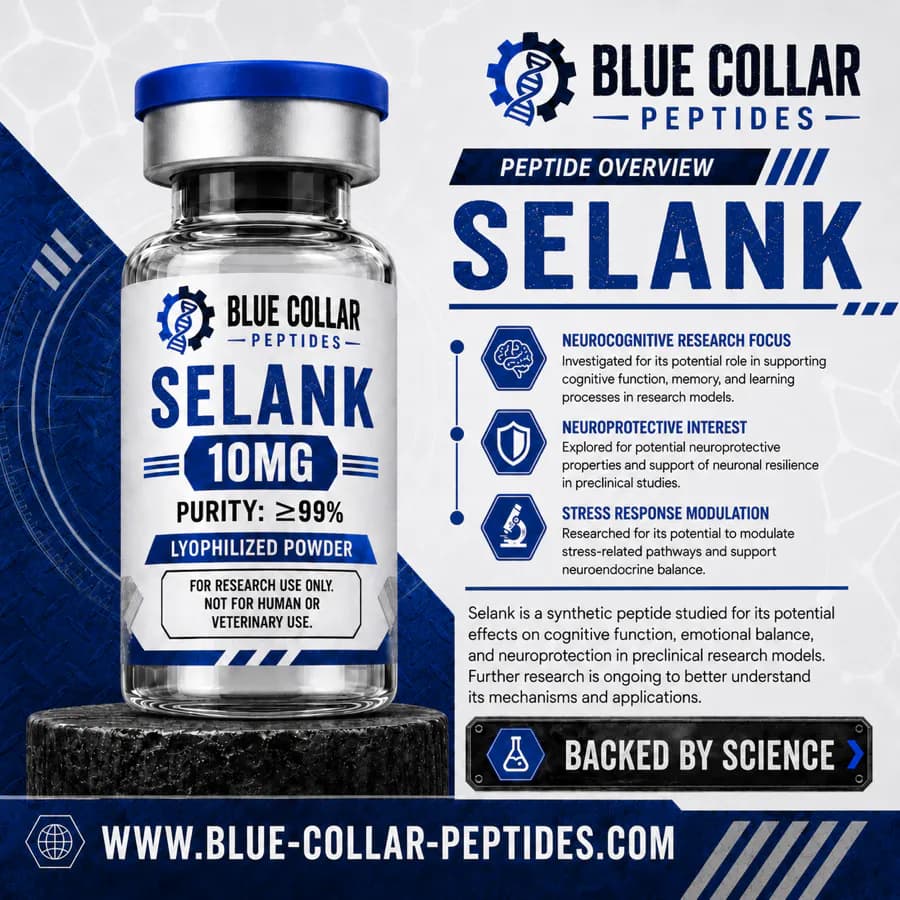 15 · 10 mg
Selank is studied in preclinical tuftsin-derived peptide models involving neuronal, immune-signaling, and gene-expression pathways.
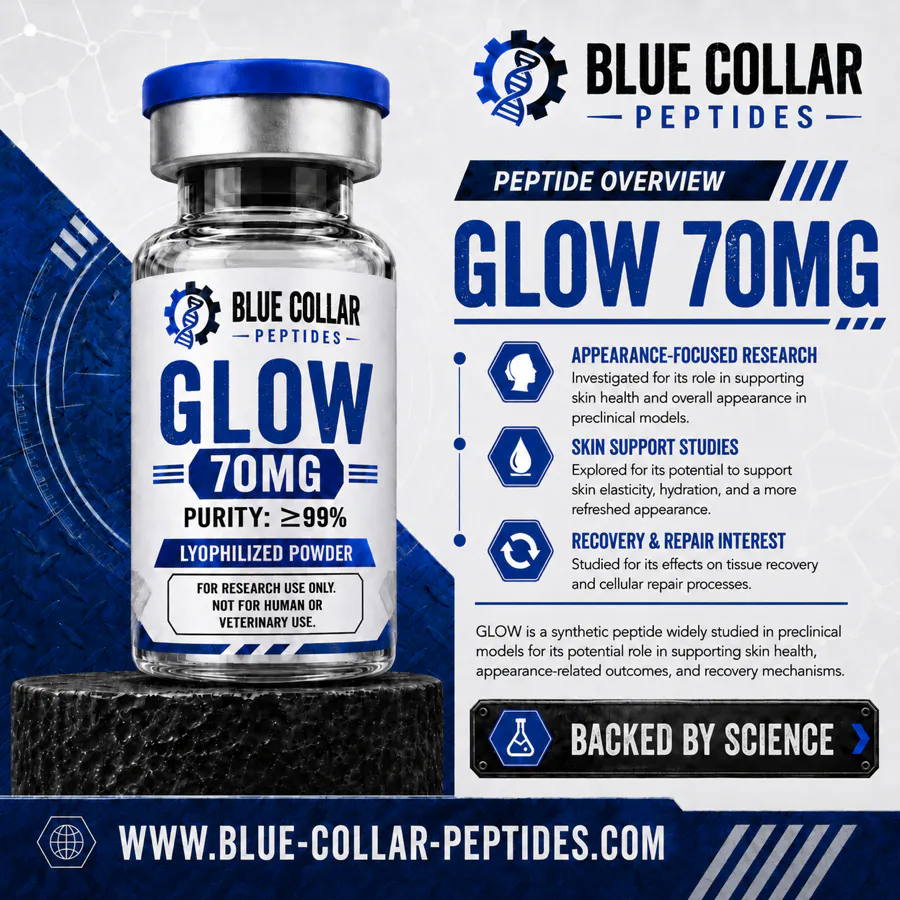 16 · 70 mg
GLOW is examined as a multi-component blend in analytical and preclinical models involving copper-peptide signaling, cell migration, and actin dynamics.
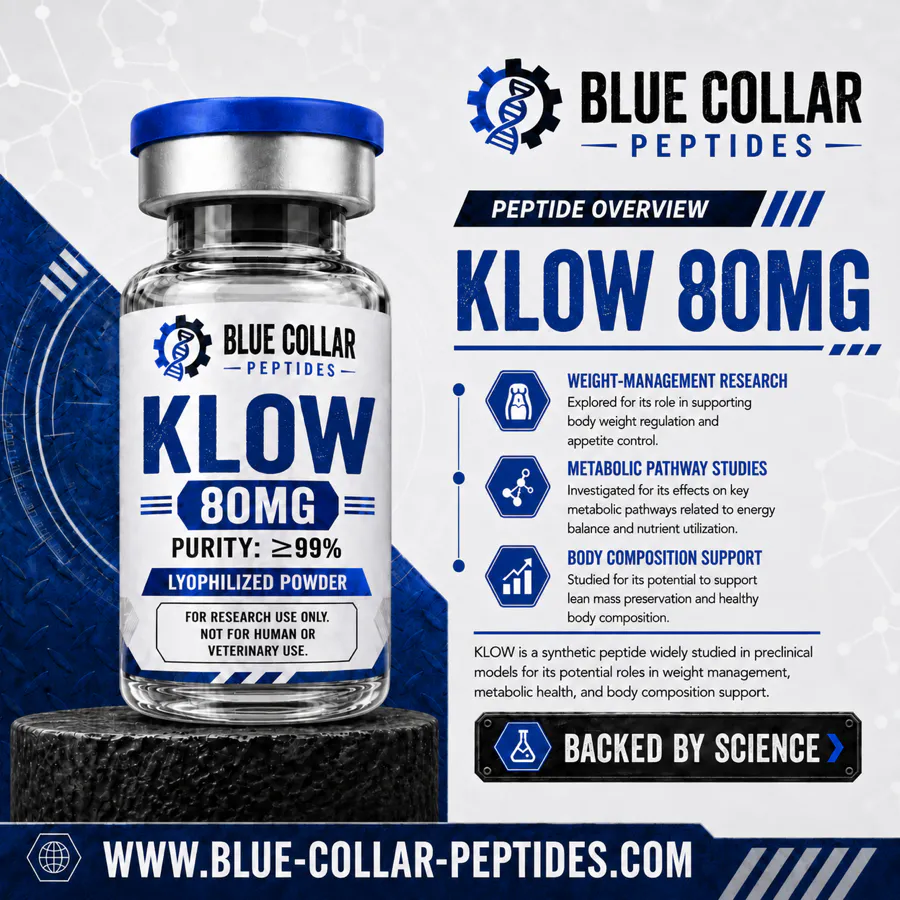 17 · 80 mg
KLOW is examined as a multi-component blend in analytical models involving copper-peptide, cell-migration, actin, and KPV-related signaling pathways.
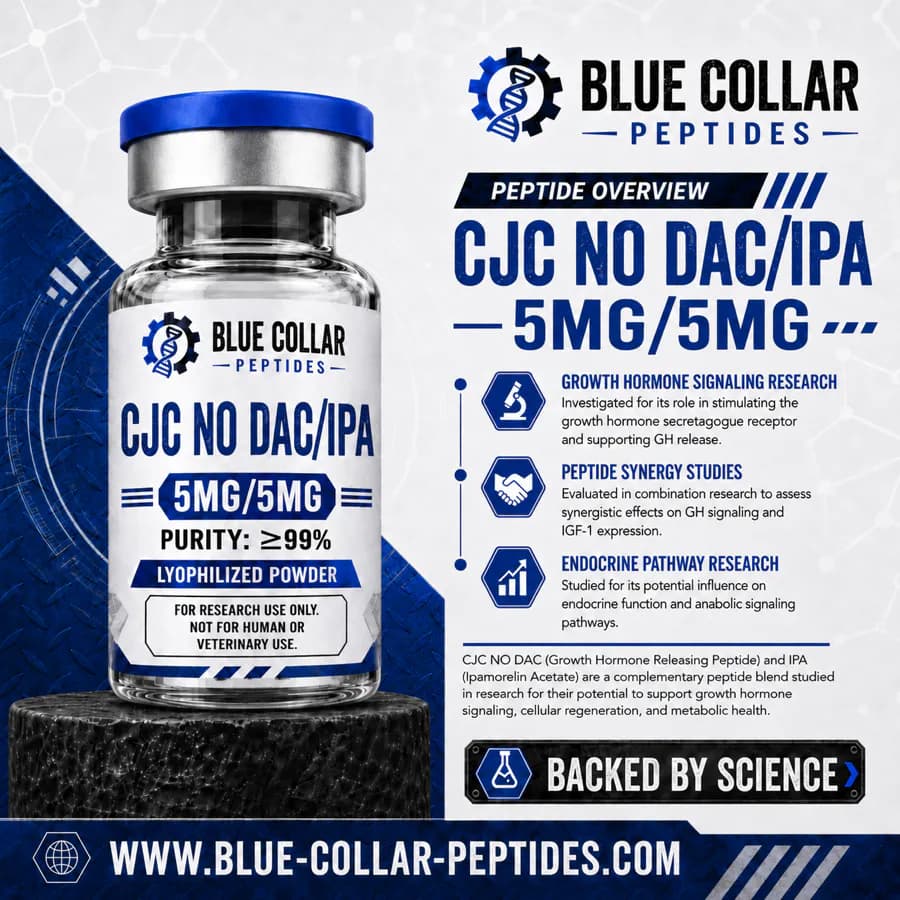 18 · 10 mg total
This blend is studied in receptor models involving GHRH and growth-hormone secretagogue signaling, ligand interaction, and pathway crosstalk.
19 · 50 mg5-Amino-1MQ is studied in laboratory enzyme assays involving NNMT inhibition, methyl metabolism, and NAD+-associated metabolic pathways.
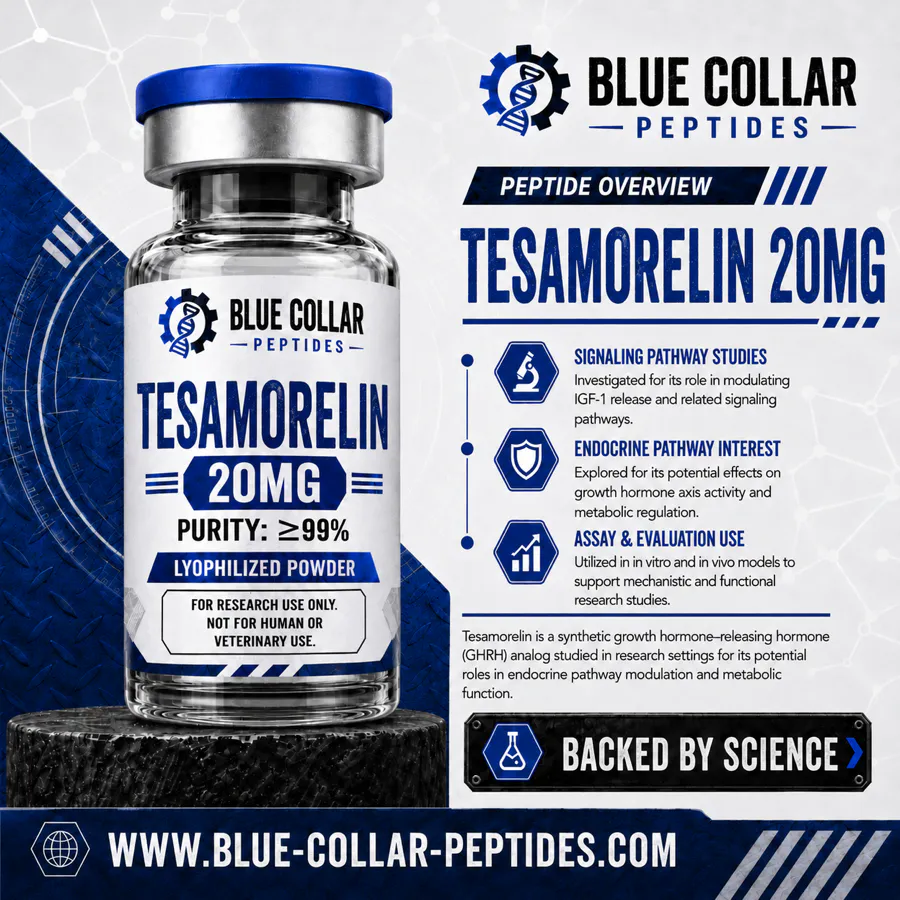 20 · 20 mg
Tesamorelin is examined in GHRH-receptor pharmacology and laboratory models of pituitary signaling and growth-hormone-axis pathways.
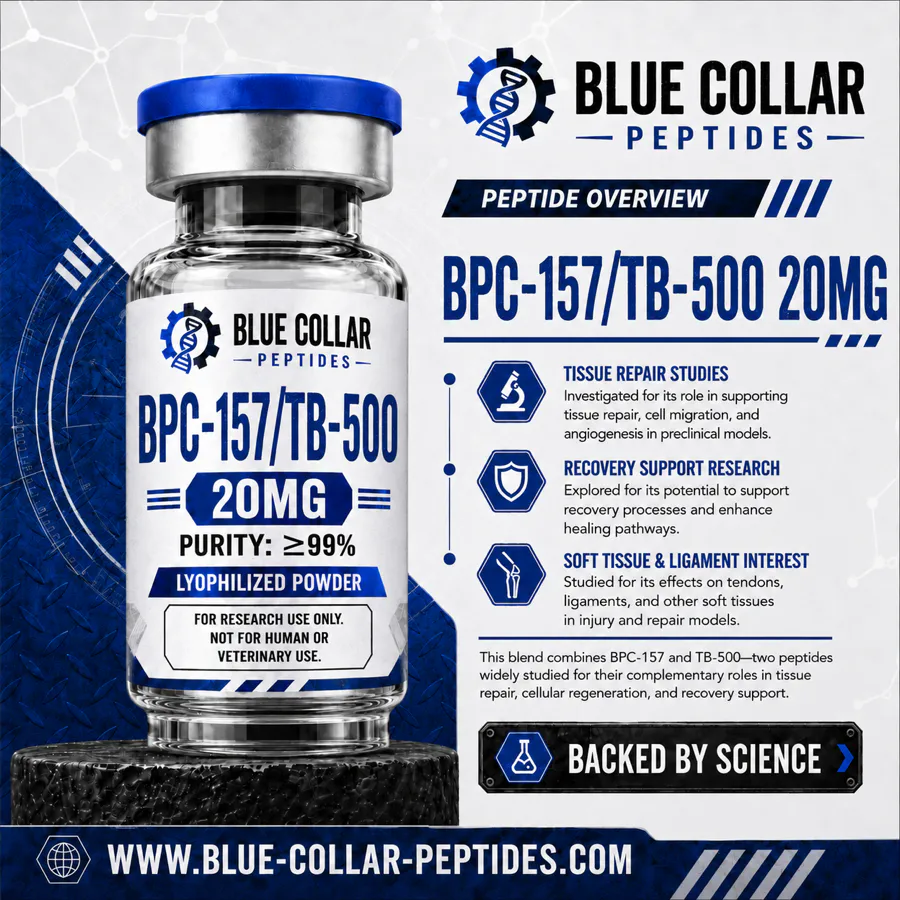 21 · 20 mg total
This blend is examined in analytical and preclinical models involving combined peptide interactions, cell migration, actin dynamics, and angiogenic signaling.
22 · 1,000 mgNAD+ is studied as a cellular redox cofactor in energy-metabolism research and in sirtuin- and PARP-associated enzyme systems.
23 · 15 mgGLP-2TZ is studied in dual GIP and GLP-1 receptor pharmacology, incretin signaling, and metabolic pathway models.
24 · 20 mgGLP-RT3 is studied in multi-agonist receptor models involving GLP-1, GIP, and glucagon-receptor signaling and metabolic pathways.
An educational comparison of BPC-157 vs TB-500, including research context, mechanisms, documentation, and evidence limitations.
Compare the evidence →Research comparisonAn educational comparison of CJC-1295 vs Ipamorelin, including research context, mechanisms, documentation, and evidence limitations.
Compare the evidence →Research comparisonAn educational comparison of GLP-1SG vs GLP-2TZ, including research context, mechanisms, documentation, and evidence limitations.
Compare the evidence →Research comparisonAn educational comparison of GLP-RT3 vs GLP-2TZ, including research context, mechanisms, documentation, and evidence limitations.
Compare the evidence →Research comparisonAn educational comparison of MOTS-C vs SS-31, including research context, mechanisms, documentation, and evidence limitations.
Compare the evidence →Research comparisonAn educational comparison of GHK-Cu vs AHK-Cu, including research context, mechanisms, documentation, and evidence limitations.
Compare the evidence →Research comparisonAn educational comparison of Tesamorelin vs CJC-1295, including research context, mechanisms, documentation, and evidence limitations.
Compare the evidence →Research comparisonAn educational comparison of Semax vs Selank, including research context, mechanisms, documentation, and evidence limitations.
Compare the evidence →Research comparisonAn educational comparison of GHK-Cu vs BPC-157, including research context, mechanisms, documentation, and evidence limitations.
Compare the evidence →Research comparisonAn educational comparison of NAD+ vs Glutathione, including research context, mechanisms, documentation, and evidence limitations.
Compare the evidence →Research comparisonAn educational comparison of Epitalon vs Pinealon, including research context, mechanisms, documentation, and evidence limitations.
Compare the evidence →Research comparisonAn educational comparison of GLOW vs KLOW, including research context, mechanisms, documentation, and evidence limitations.
Compare the evidence →Research comparisonAn educational comparison of GLP-RT3 vs GLP-1SG, including research context, mechanisms, documentation, and evidence limitations.
Compare the evidence →Research comparisonAn educational comparison of MOTS-C vs NAD+, including research context, mechanisms, documentation, and evidence limitations.
Compare the evidence →Research comparisonAn educational comparison of SS-31 vs NAD+, including research context, mechanisms, documentation, and evidence limitations.
Compare the evidence →Research comparisonAn educational comparison of Glutathione vs SS-31, including research context, mechanisms, documentation, and evidence limitations.
Compare the evidence →Research comparisonAn educational comparison of AHK-Cu vs SNAP-8, including research context, mechanisms, documentation, and evidence limitations.
Compare the evidence →Research comparisonAn educational comparison of GHK-Cu vs SNAP-8, including research context, mechanisms, documentation, and evidence limitations.
Compare the evidence →Research comparisonAn educational comparison of Tesamorelin vs Ipamorelin, including research context, mechanisms, documentation, and evidence limitations.
Compare the evidence →Research comparisonAn educational comparison of Semax vs Pinealon, including research context, mechanisms, documentation, and evidence limitations.
Compare the evidence →Research comparisonAn educational comparison of Selank vs Pinealon, including research context, mechanisms, documentation, and evidence limitations.
Compare the evidence →Research comparisonAn educational comparison of GHK-Cu vs GLOW, including research context, mechanisms, documentation, and evidence limitations.
Compare the evidence →Research comparisonAn educational comparison of 5-Amino-1MQ vs MOTS-C, including research context, mechanisms, documentation, and evidence limitations.
Compare the evidence →Research comparisonAn educational comparison of BPC-157 vs BPC-157 + TB-500 Blend, including research context, mechanisms, documentation, and evidence limitations.
Compare the evidence →A documentation-first, research-only guide to peptide storage guide, with practical review steps, citations, and connected Blue Collar Peptides resources.
Read guide →02A documentation-first, research-only guide to how to read a peptide coa, with practical review steps, citations, and connected Blue Collar Peptides resources.
Read guide →03A documentation-first, research-only guide to laboratory stock-solution preparation guide, with practical review steps, citations, and connected Blue Collar Peptides resources.
Read guide →04A documentation-first, research-only guide to peptide half-life reference guide, with practical review steps, citations, and connected Blue Collar Peptides resources.
Read guide →05A documentation-first, research-only guide to peptide purity vs content mass, with practical review steps, citations, and connected Blue Collar Peptides resources.
Read guide →06A documentation-first, research-only guide to endotoxin and lal testing guide, with practical review steps, citations, and connected Blue Collar Peptides resources.
Read guide →07A documentation-first, research-only guide to research peptide faq, with practical review steps, citations, and connected Blue Collar Peptides resources.
Read guide →08A documentation-first, research-only guide to how to compare peptide research, with practical review steps, citations, and connected Blue Collar Peptides resources.
Read guide →09A documentation-first, research-only guide to laboratory peptide recordkeeping guide, with practical review steps, citations, and connected Blue Collar Peptides resources.
Read guide →10A documentation-first, research-only guide to coa verification checklist, with practical review steps, citations, and connected Blue Collar Peptides resources.
Read guide →11A documentation-first, research-only guide to peptide research terminology guide, with practical review steps, citations, and connected Blue Collar Peptides resources.
Read guide →12A documentation-first, research-only guide to hplc and mass spectrometry for peptides, with practical review steps, citations, and connected Blue Collar Peptides resources.
Read guide →13A documentation-first, research-only guide to third-party peptide testing guide, with practical review steps, citations, and connected Blue Collar Peptides resources.
Read guide →14A documentation-first, research-only guide to how to evaluate a research supplier, with practical review steps, citations, and connected Blue Collar Peptides resources.
Read guide →15A documentation-first, research-only guide to peptide identity testing guide, with practical review steps, citations, and connected Blue Collar Peptides resources.
Read guide →16A documentation-first, research-only guide to research material receiving guide, with practical review steps, citations, and connected Blue Collar Peptides resources.
Read guide →