Research Material Receiving Guide
Receiving is the check you do when the package arrives: name, amount, seal, and the document you file with it. 21+. Research only.
Receiving is the first record
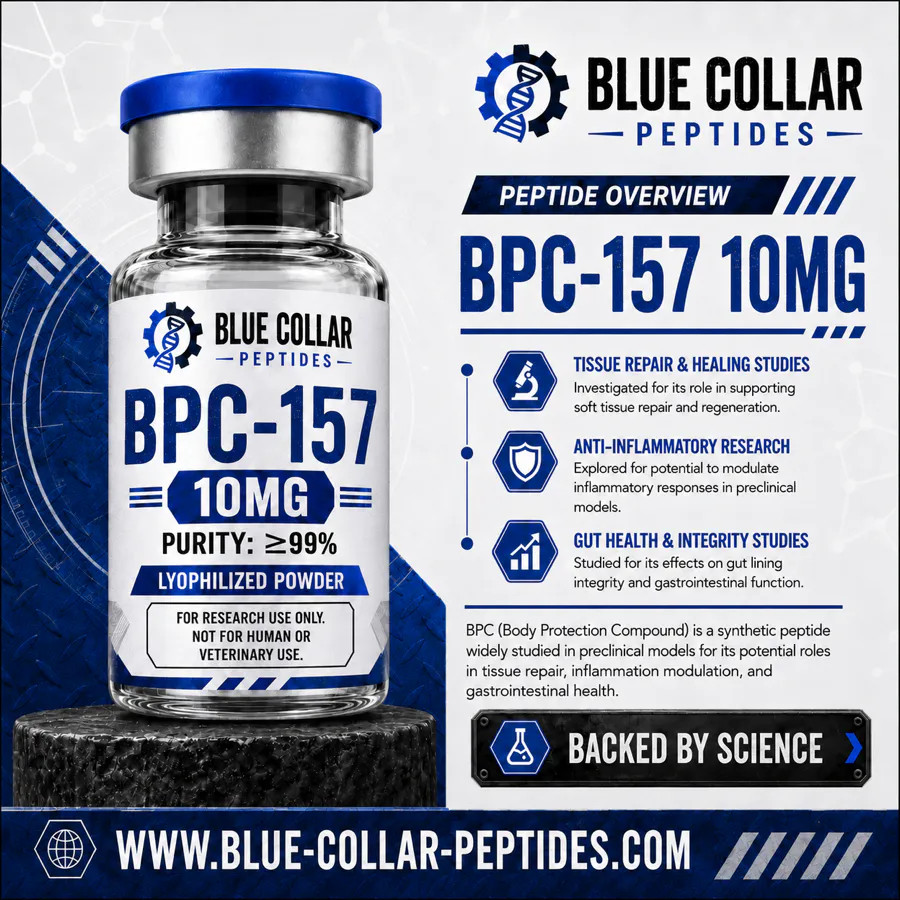
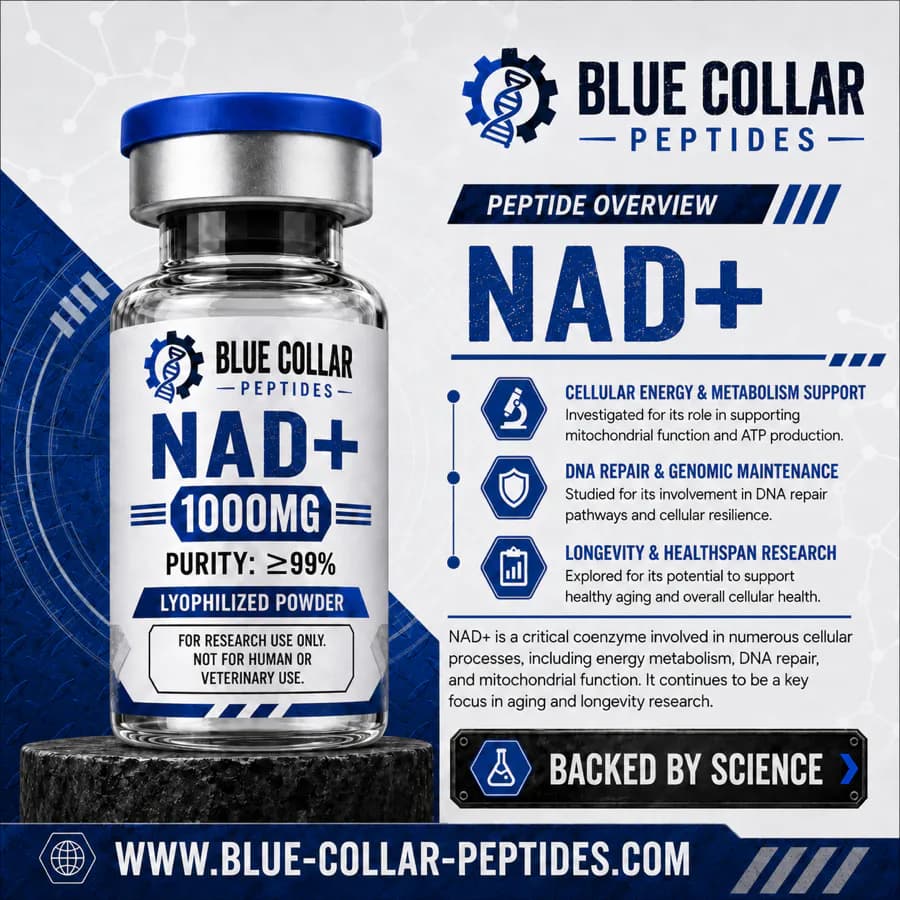
Check the name on the label against the order, the labeled amount, and the seal. Then file the COA task with that receipt line. NAD+ task 157318 belongs with the NAD+ 1,000 mg listing. BPC-157 task 136728 belongs with BPC-157 10 mg.
Photograph or note damage before you move the vial into storage. A later purity question cannot reconstruct a crushed box.
Do not receive the paperwork as the material
The COA is not the powder. The packing slip is not the COA. Write which one you are looking at. If the task number on the paper does not match the product page you ordered, stop and ask before you log a result.
Storage starts after that check. Use the storage guide for the record you keep next, not as a substitute for receiving.
This page is laboratory education for adults 21 and older. It is not a dosing guide, a treatment plan, or a schedule. Not for human or veterinary use.
References and further reading
- NIST — Reference Materials ↗
Background on reference materials, traceability, and measurement confidence.
- Hoofnagle et al. — Recommendations for peptide storage and handling ↗
Peer-reviewed recommendations for peptide handling in quantitative laboratory workflows.
External links are provided for independent literature review. A link does not imply that every indexed paper supports the same conclusion or that findings apply beyond the model and conditions studied.