
Peptide Storage Guide
Peptide storage is a record of temperature, moisture, light, and the container. One rule does not fit every sequence. 21+. Research only.
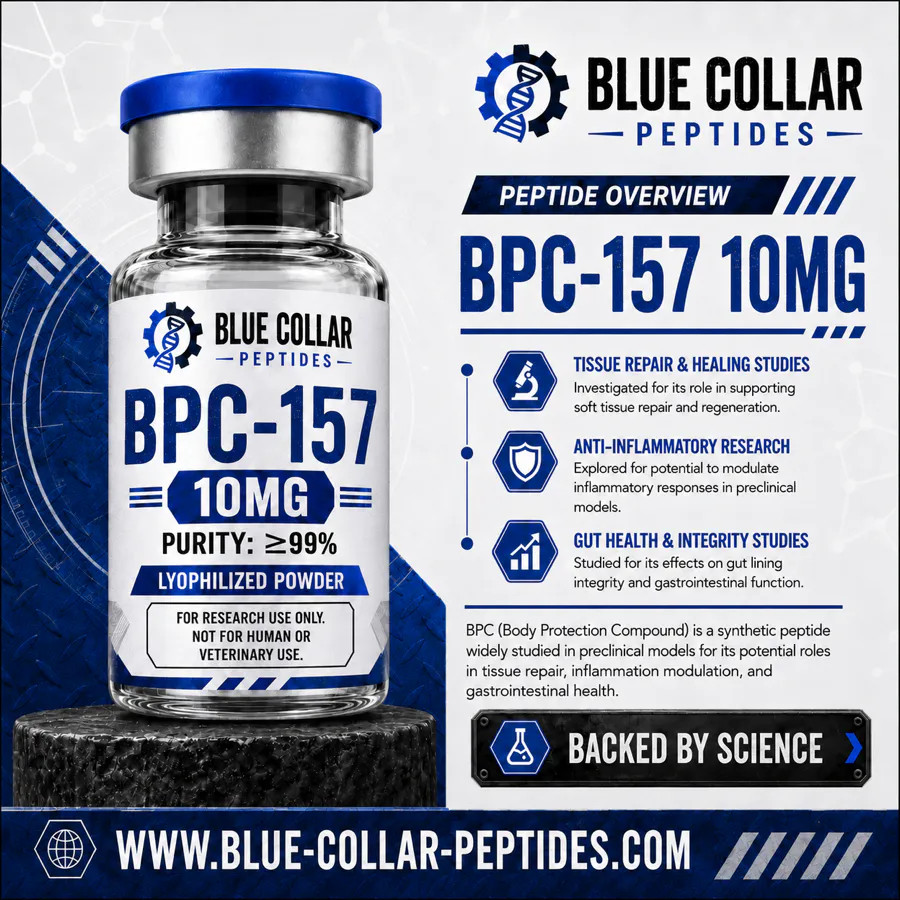
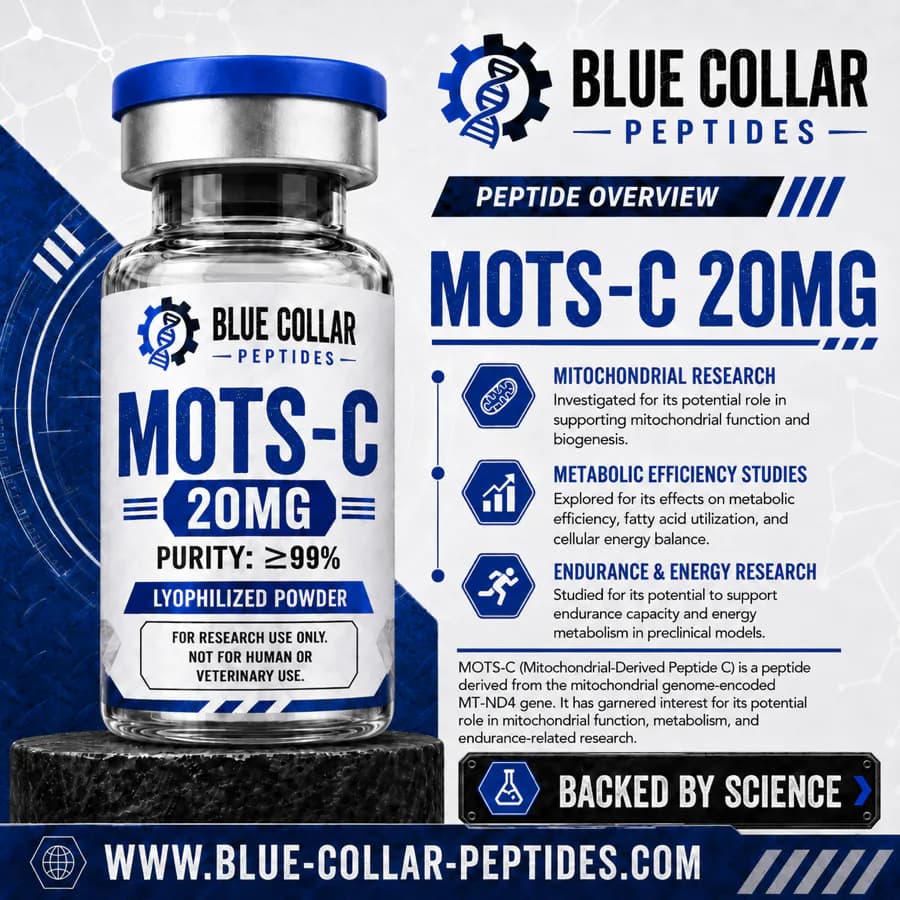
Temperature is not a storage plan
A freezer setting does not describe what happened to the vial. The useful record is the range, the time out of that range, whether the stopper was punctured, and whether moisture got in. Sequence, formulation, and container surface change how a material behaves.
Hoofnagle and coauthors published handling recommendations for peptides used in quantitative laboratory work. Those recommendations are a starting point for a written procedure. They are not a storage label you can copy onto every product in this catalog.
Write the deviation while it is still true
Receipt date, seal condition, storage location, transfers, and time at the bench belong in the same notebook as the experiment. If a vial sat on the bench, write that down. Guessing later turns a handling variable into a fake material result.
Do not borrow the storage note from a different peptide because the names were in the same paper. BPC-157, MOTS-C, and NAD+ are not one stability class.
This page is laboratory education for adults 21 and older. It is not a dosing guide, a treatment plan, or a schedule. Not for human or veterinary use.
References and further reading
- Hoofnagle et al. — Recommendations for peptide storage and handling ↗
Peer-reviewed recommendations for peptide handling in quantitative laboratory workflows.
External links are provided for independent literature review. A link does not imply that every indexed paper supports the same conclusion or that findings apply beyond the model and conditions studied.