
Peptide Purity vs Content Mass
Chromatographic purity and content mass are different results. Do not treat one as the other. 21+. Research only.
Purity is not the amount in the vial
Purity on these Janoshik reports is a chromatographic figure under the method they name. Content is a separate line, and it may be a mass or a percent. TB-500 task 155233 prints 5.51 mg and purity 99.171%. BPC-157 task 136728 prints purity 99.036% and a content figure of 10.62%, which is a percent, not milligrams.
A high purity percent does not tell you the milligrams in the vial. A milligram result does not tell you the purity if that row is absent.
Put the two numbers in different columns
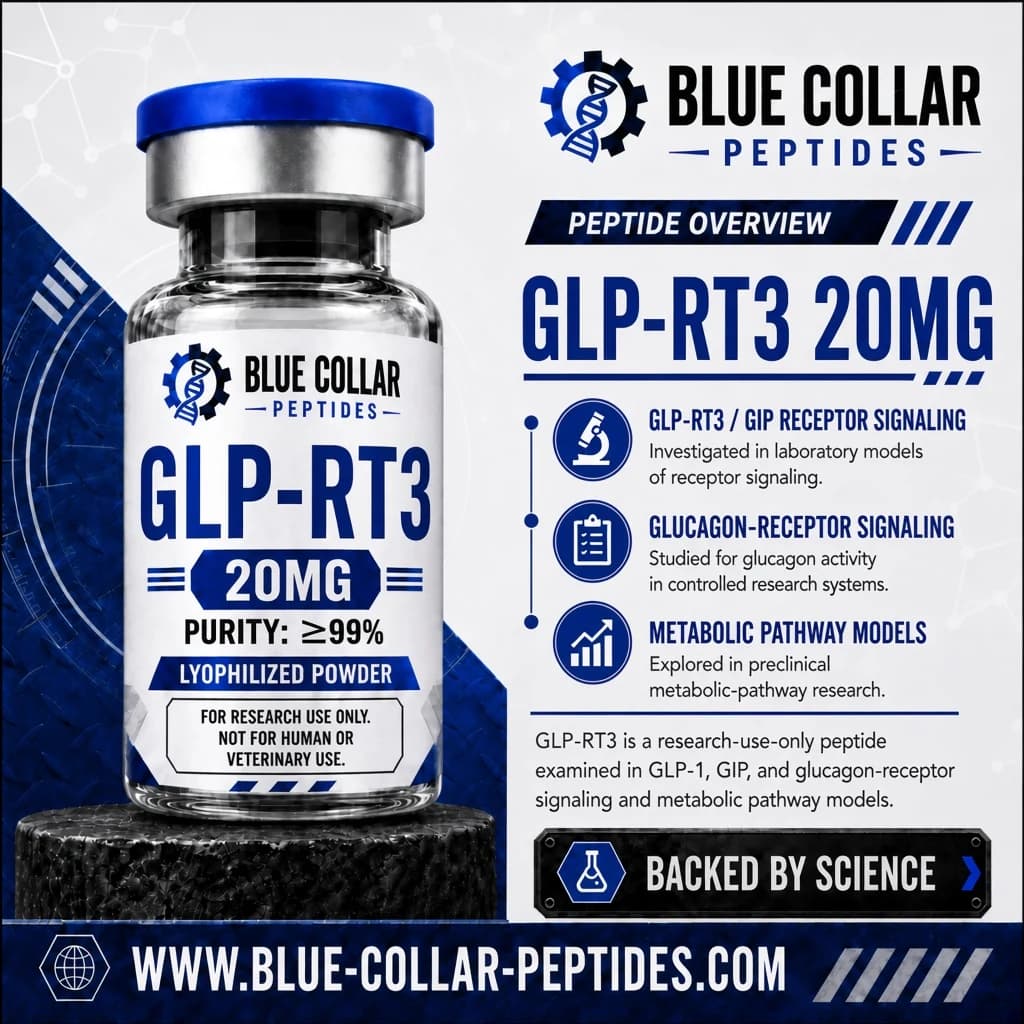
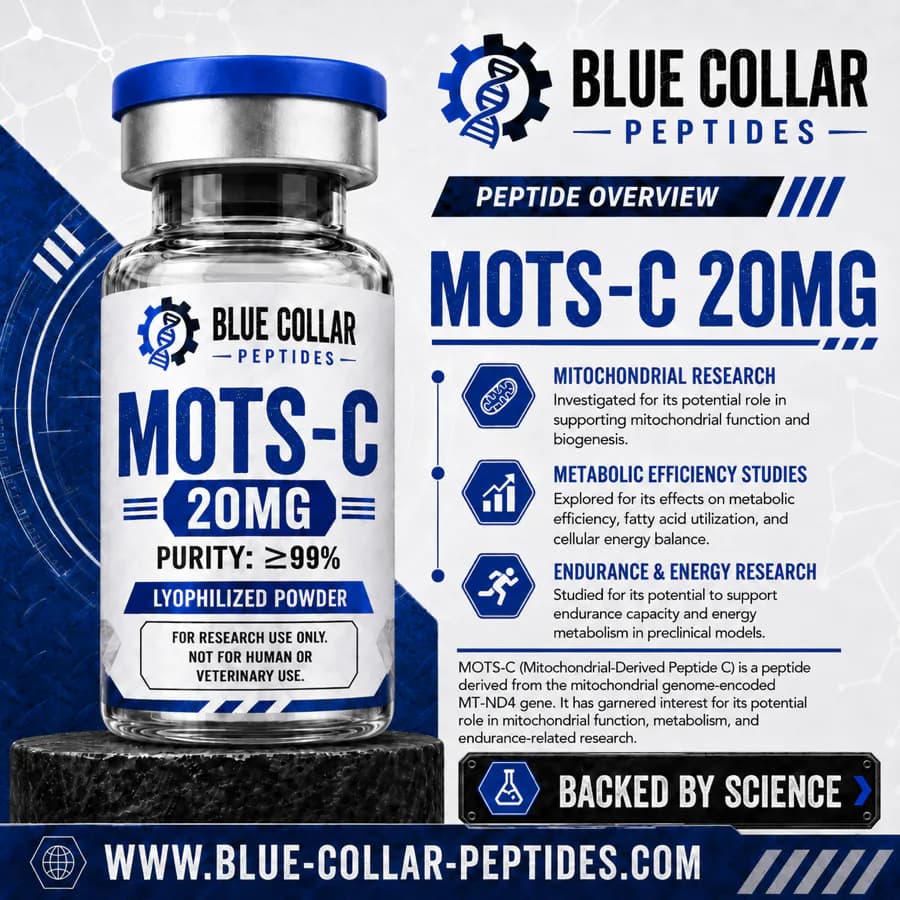
When you log a report, use one column for purity and another for the content figure, and copy the unit exactly. MOTS-C task 193720 prints 23.38 mg and purity 99.198%. GLP-RT3 task 149759 prints 22.99 mg and purity 99.576%. Those pairs are not one number.
ICH Q2 is guidance on validating an analytical procedure. It does not collapse purity and assay content into a single claim.
This page is laboratory education for adults 21 and older. It is not a dosing guide, a treatment plan, or a schedule. Not for human or veterinary use.
References and further reading
- FDA — Analytical Procedures and Methods Validation ↗
Regulatory guidance on analytical method development and validation.
- ICH Q2(R2) — Validation of Analytical Procedures ↗
International guidance on specificity, accuracy, precision, range, and robustness.
External links are provided for independent literature review. A link does not imply that every indexed paper supports the same conclusion or that findings apply beyond the model and conditions studied.