Peptide Identity Testing Guide
Identity testing asks whether the expected compound is present. Purity does not answer that by itself. 21+. Research only.
Identity is the compound, not the percent
A purity percent can be high while the identity assignment rests on a different part of the method. Read the test title. Semax task 147062 names N-acetyl Semax amidate and prints 13.08 mg with purity 99.563%. The identity line and the purity line both have to be copied.
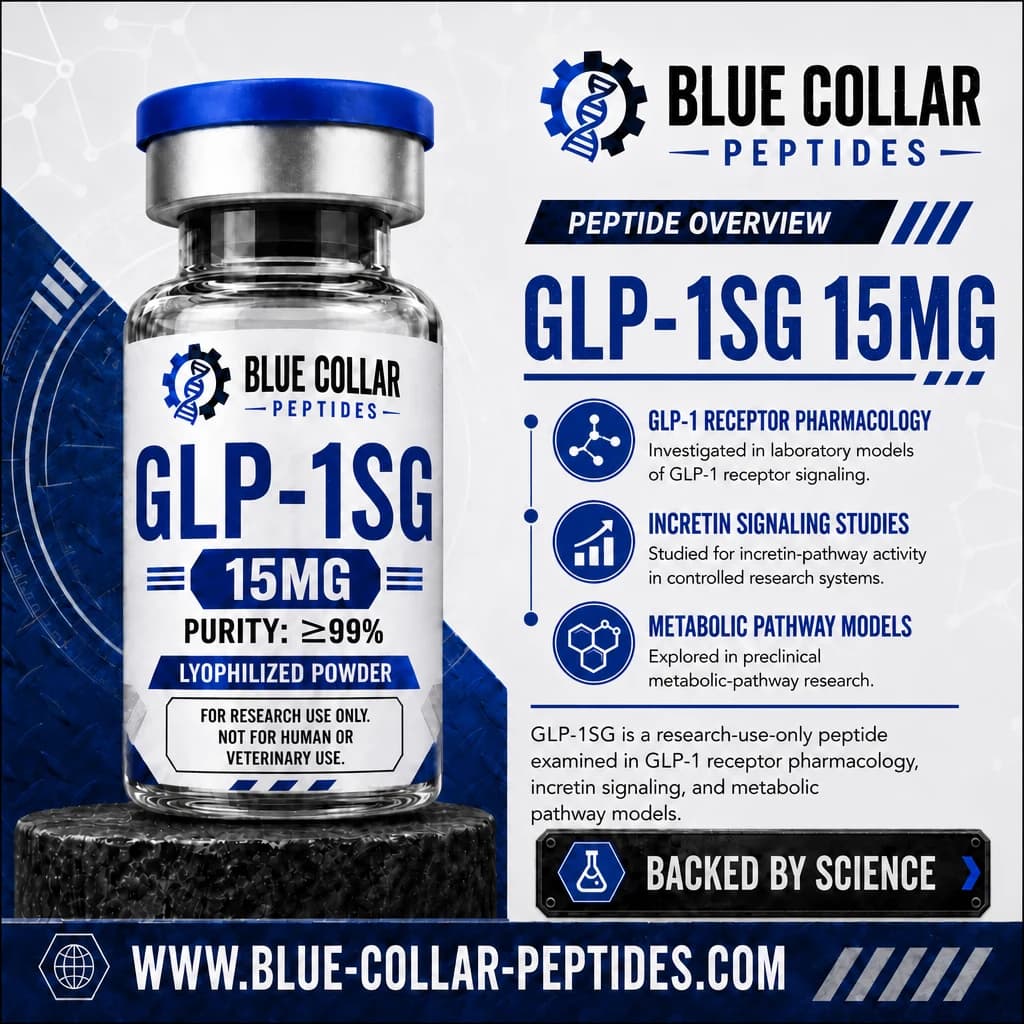
GLP-1SG task 155227 is a GLP peptide analysis that prints 15.23% and purity 99.262%. The percent is not a second purity, and it is not a milligram identity.
Blends need an identity for each component
A blend is not identified by the blend nickname alone. The BPC-157 + TB-500 report, task 155710, prints TB-500 (889 Da) 11.14 mg and BPC-157 11.32 mg. Both lines are the identity record for that sample. There is no purity percent on that report.
If a paper studied only one of those sequences, it does not identify the blend.
This page is laboratory education for adults 21 and older. It is not a dosing guide, a treatment plan, or a schedule. Not for human or veterinary use.
References and further reading
- FDA — Analytical Procedures and Methods Validation ↗
Regulatory guidance on analytical method development and validation.
- ICH Q2(R2) — Validation of Analytical Procedures ↗
International guidance on specificity, accuracy, precision, range, and robustness.
External links are provided for independent literature review. A link does not imply that every indexed paper supports the same conclusion or that findings apply beyond the model and conditions studied.