

Laboratory research education only. This article does not provide human or veterinary dosing, administration, diagnosis, treatment, or safety guidance.
Fit for purpose
Validation is used to demonstrate that an analytical procedure is suitable for its intended purpose. The characteristics that matter depend on whether the method evaluates identity, purity, content, impurities, or another property.
Common performance characteristics
Specificity or selectivity, accuracy, precision, range, quantitation limit, detection limit, and robustness describe different aspects of procedure performance. Not every characteristic applies in the same way to every method.
Results need a procedure
A reported number becomes more useful when the procedure, validation status, system-suitability approach, and acceptance criteria are clear. Method context is part of the analytical evidence.
References and further reading
Open the original sources and evaluate their methods, limitations, and applicability independently.
Related education
 Research MethodsResearch Methods · 4 min readGrowth-Hormone Papers Stay in the Paper. The Vial Stays HGH 15 IU.Receptor, JAK-STAT, and IGF-1 models show up in the literature under somatropin. They are not a protocol for this listing.Read article →
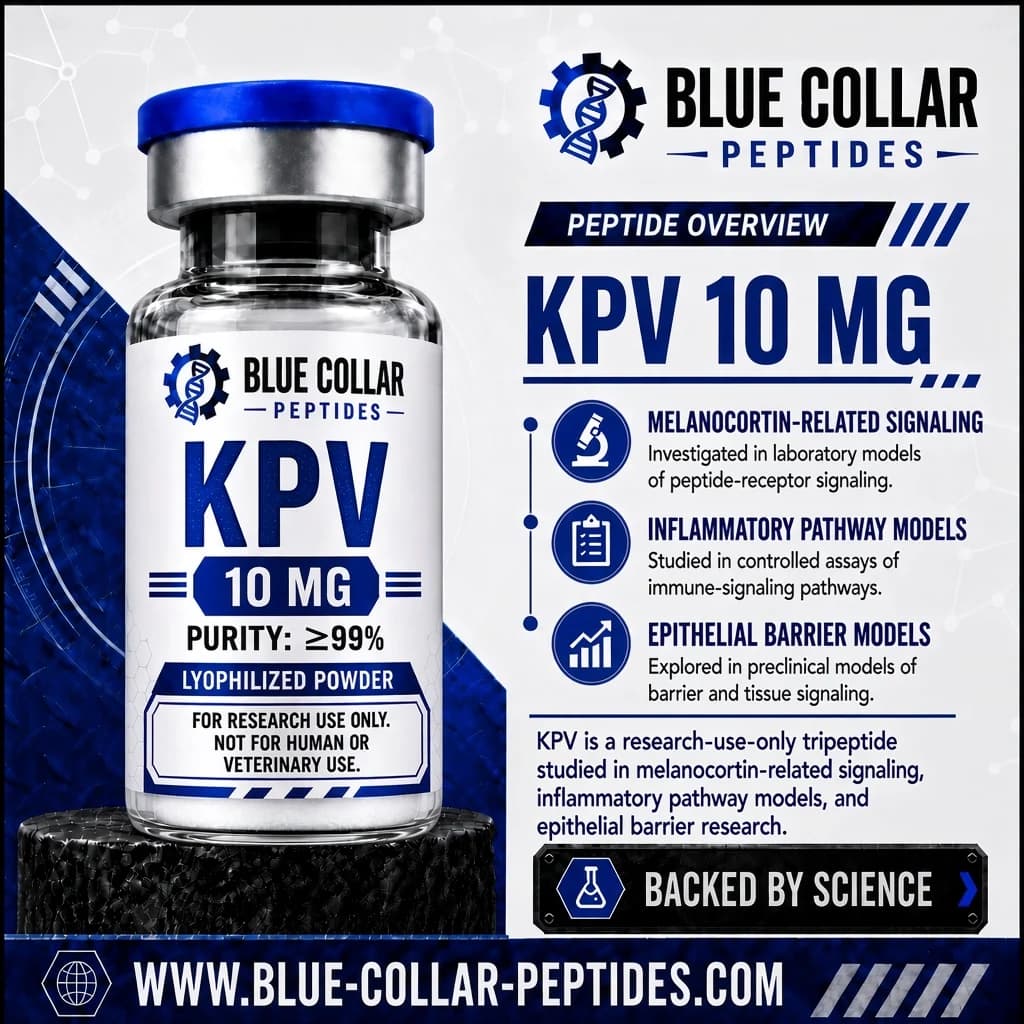 Research MethodsResearch Methods · 4 min readA Mass on a KPV Note Can Only Say What the Instrument SaidThree residues make people casual about identity. The mass either matches the report in front of you or it does not.Read article →Research MethodsResearch Methods · 4 min readSearch KPV for the Model. Leave the Protocol in the Paper.Melanocortin and epithelial papers use these letters. They do not write the handling of this $39.99 vial.Read article →
Research-use notice
This material is educational and does not provide medical, dosing, administration, treatment, or human-use guidance. For laboratory research use only.